
A Country That Lives in Darkness Ends Up Darkening Inside
November 16, 2026 Posted #44: Cuba Blackouts
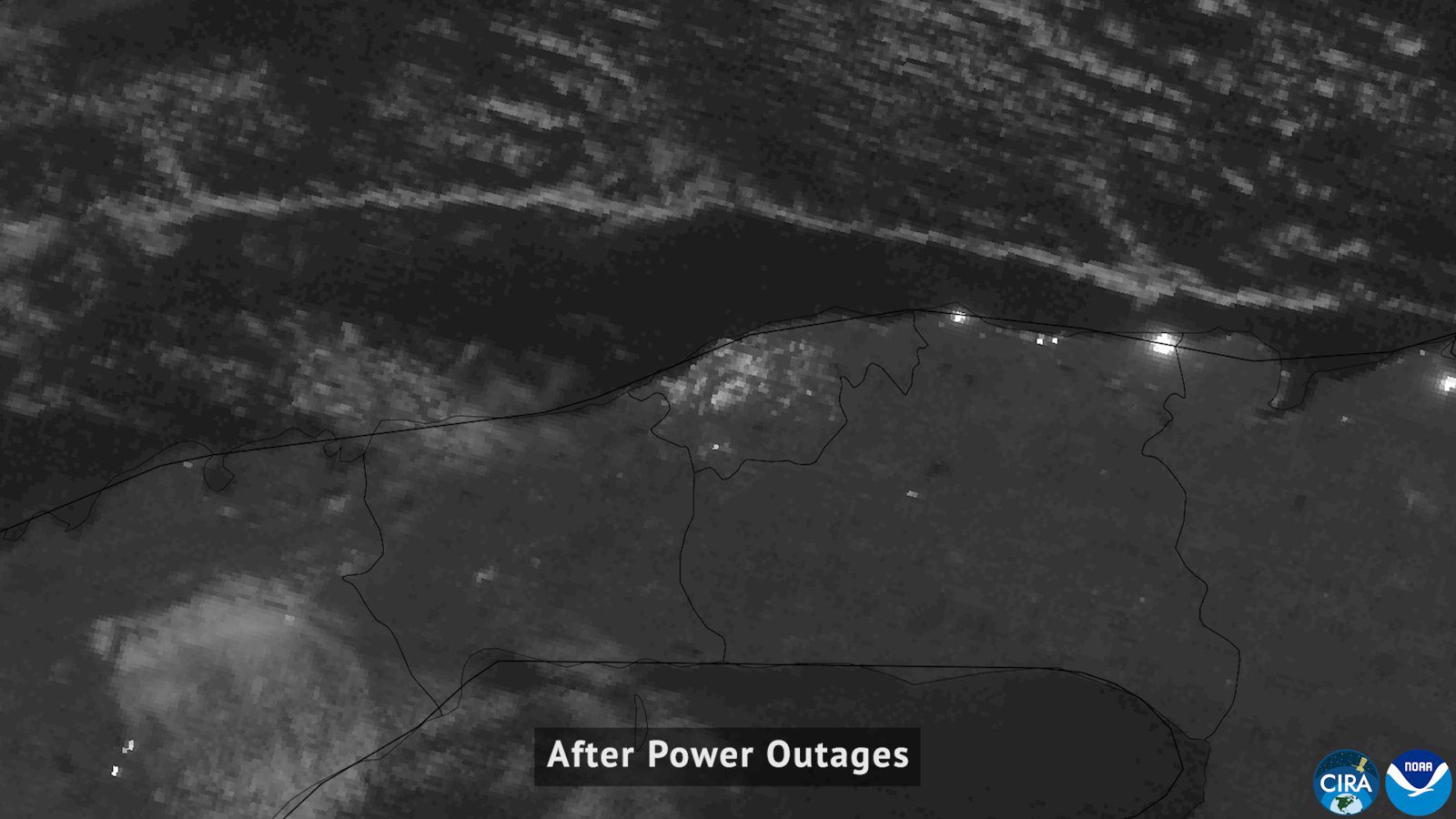
A country that lives in darkness ends up darkening inside, and the Cuba blackouts prove it every night. The lights are going out across the island and in the soul of its people. On November 5, 2026, the Trump administration expanded sanctions under Executive Order 14404. The new measures target Cuba’s oil-shipping networks, regime elites (including figures linked to GAESA), and vessels. They also reach sectors such as electronics, manufacturing, marine, and technology, plus some Chinese suppliers to the Cuban military. Cuba’s communist ruling class frames these measures as collective punishment. Critics, however, note that they hit the regime’s revenue and elite networks more than ordinary people.
The Regime’s Story
Havana’s regime continues to blame outside forces, mainly the United States, for all of Cuba’s economic shortfalls. President Miguel Díaz-Canel and state media describe the Cuba blackouts as the result of a “genocidal energy blockade.” They point to U.S. measures that threaten tariffs or secondary sanctions on fuel suppliers. In their telling, the island’s darkness is collective punishment imposed from outside. When a single fuel shipment arrives, the government highlights the brief easing of the deficit as proof of the blockade’s power. The message stays the same: the Revolution has done its part, and external aggression is the sole cause.
Aging Plants, Endless Patches Fuel Cuba Blackouts
Cuba’s National Electric System depends on thermoelectric plants built decades ago, many with Soviet-era technology. The flagship Antonio Guiteras plant in Matanzas opened in 1988. It is still the country’s largest single generating unit. Even so, it has recorded dozens of outages in 2026 alone, and reports put the number at 28 by mid-November. Its boiler economizer, a critical component, has failed again and again with punctures and leaks. Specialists have long noted that the plant has gone roughly 16 years without a full major overhaul. A complete repair would keep it offline for months, and the system cannot spare that time. So authorities patch, restart, and watch it fail again.
Similarly, patterns appear across the island. They show up at Felton in Holguín and at the Ernesto Guevara plant in Santa Cruz del Norte. That plant was completed in the early 1990s and has logged hundreds of incidents this year. Units at Renté and elsewhere also break down. As a result, several large units often go offline at the same time for breakdowns or partial maintenance, and the blackouts spread across Cuba. An independent analysis of the first five months of 2026 found that technical failures alone cost the thermoelectric plants tens of thousands of megawatt-days.
Solar parks have expanded and help during daylight hours. However, they add almost nothing at the nighttime peak, when demand is highest and the blackouts in Cuba hit hardest. However, the pattern is not new. It is the accumulated result of years of underinvestment and deferred maintenance, and it began long before the latest tightening of fuel-related measures.
Life in the Dark: The Human Cost of Cuba Blackouts
The human consequences are immediate and cumulative. For example, food spoils without reliable refrigeration. Hospitals rely on generators for critical functions, and that contributes to delayed surgeries. In fact, Díaz-Canel himself has referenced large waiting lists tied in part to electricity and supply shortages. Meanwhile, families cook by candlelight or on portable stoves. Children try to study in near-darkness, and sleep is broken for hours. Over time, the long blackouts in Cuba start to feel normal.
What Freedom Looks Like
For those who left, the contrast is stark, as the stories in Alejandro’s Journey and the experiences of so many Cuban families show. Escape from the regime meant leaving the Cuba blackouts and a system of perpetual shortage and institutional neglect. In its place was a society where reliable electricity is the unremarkable foundation of daily life. Moreover, it powers refrigerators, workplaces, and schools. Hospitals run without emergency generators as the default. And it protects the ordinary dignity of a home that does not go dark for hours each evening.
That reliability is not magic. It comes from incentives that reward maintenance, investment, and accountability. It also comes from a system not captured by a military conglomerate operating outside normal public oversight. The same people who endured the Special Period, the blackouts of the 1990s, and the recurring crises of later decades learned something. Freedom includes the practical freedom of a light switch that works.
Other countries facing outside constraints have kept or improved basic services when their leaders chose to do so. Cuba’s record shows a different choice. The darkness on the island is real. Yet the explanations offered by those in power do not match the internal evidence. The people who still live with the Cuba blackouts, and those who left them behind, know the difference. It is the difference between a blockade narrative and a system that has long preferred the interests of its military-business elite to the simple job of keeping the lights on.
How much longer must the Cuban people endure the tyranny and yoke of a revolutionary promise that turned their lives into hell on earth, the result of a communist form of government?
More of my writing and my novels are at fundora.net.